| |
|
|
| |
|
| |
| Axios Future of Mobility |
| By Joann Muller · Sep 09, 2026 |
👋 Hey, it's Wednesday already! Aren't short weeks great?
- 🤑 Today, we're diving into what Tesla's Cybercab plans could mean for entrepreneurs.
- 🚕 Plus, why Lyft might be the perfect partner for Waymo.
📌 First, an Axios PSA: Join Axios House in New York City for Climate Week and the U.N. General Assembly, Sept. 21-22, for conversations on how AI, energy security, climate goals and geopolitical competition are shaping the global economy.
- Speakers include Sen. Brian Schatz, NVIDIA Head of Sustainability Josh Parker, Patagonia CEO Ryan Gellert, Amazon Chief Sustainability Officer Kara Hurst, National Energy Dominance Council Executive Director Jarrod Agen & more. Sign up!
1,784 words, a 6½-minute read. |
| |
| |
| 1 big thing: Tesla's call for Cybercab entrepreneurs |
| |
 |
|
| Illustration: Sarah Grillo/Axios |
| |
Tesla's traditional do-it-yourself instinct could be tested by its nationwide robotaxi ambitions. The big picture: Manufacturing self-driving taxis is one thing. Financing, parking, charging, cleaning and maintaining enough of them to blanket the country is another — and Tesla is signaling that it might want entrepreneurs to help shoulder the load. Driving the news: Alongside last week's driverless Cybercab launch, Tesla began soliciting interest from people who want a piece of the action.
- "Help us build our Robotaxi network," says a newly posted page on Tesla's website.
- Prospective partners interested in "Cybercab fleet vehicle purchasing" as well as "mobility hubs and infrastructure" are invited to fill out a form.
- Tesla hasn't disclosed anything about the economics of such an arrangement, including how much a Cybercab costs.
Zoom out: One possible model comes from Amazon, whose Delivery Service Partner program relies on more than 4,000 independent businesses to perform the expensive, labor-intensive work of delivering its packages.
- Amazon provides the customers, technology, logistics network and other support, while local entrepreneurs operate fleets of Amazon-branded vans and hire the drivers.
- That arrangement helped Amazon build a gigantic delivery network without having to employ every driver and own every vehicle.
Tesla could use Cybercab entrepreneurs in much the same way.
- Tesla could build the cars, provide the autonomous driving technology and manage the Robotaxi app that would match passengers with vehicles.
- Independent fleet owners could bring capital to buy the cars — and assume the financial risk of keeping them busy and profitable.
- A structure along those lines could potentially help Tesla shift billions of dollars in vehicles and infrastructure off its own balance sheet while preserving control of the network.
Between the lines: It would be a big departure, however, for Tesla, which has historically embraced vertical integration — from vehicle manufacturing to battery production to its Supercharger network.
- Tesla did not respond to a request for comment.
Follow the money: The Amazon experience also illustrates the risk for entrepreneurs whose businesses depend heavily on one powerful platform.
- One group of Amazon Delivery Service Partners recently organized to seek better financial terms; Amazon says the vast majority of its partners run successful, profitable businesses.
- At Tesla, the risk is that an entrepreneur might invest hundreds of thousands of dollars in Cybercabs or infrastructure only to discover that Tesla can alter the economics — or expand its own competing fleet — virtually overnight.
Reality check: Even if Tesla were to adopt some kind of franchising model for Cybercab, it's not yet ready to scale fully autonomous AVs.
- So far, it has only a modest fleet in Austin, Texas, with just 45 Cybercabs authorized for driverless operation statewide.
- While Tesla says its factory can build up to 125,000 a year, its second-quarter letter to shareholders noted that batteries are "the main limiting factor to near-term vehicle production volume increase."
There's also a regulatory hurdle. The National Highway Traffic Safety Administration has opened an investigation into Tesla's self-certification that the Cybercab — which lacks a steering wheel and pedals — complies with federal vehicle safety standards. What we're watching: Whether Tesla fills in the missing pieces of its entrepreneur pitch — particularly the Cybercab's price and how revenue would be divided between Tesla and fleet owners. The bottom line: If Tesla's ultimate objective is to operate a massive ride-hailing network, the fastest way could be to get thousands of other businesses to help pay for it. |
     |
| |
| |
| 2. 📷 Catch up quick: Cybercabs come out in Austin |
| |
 |
|
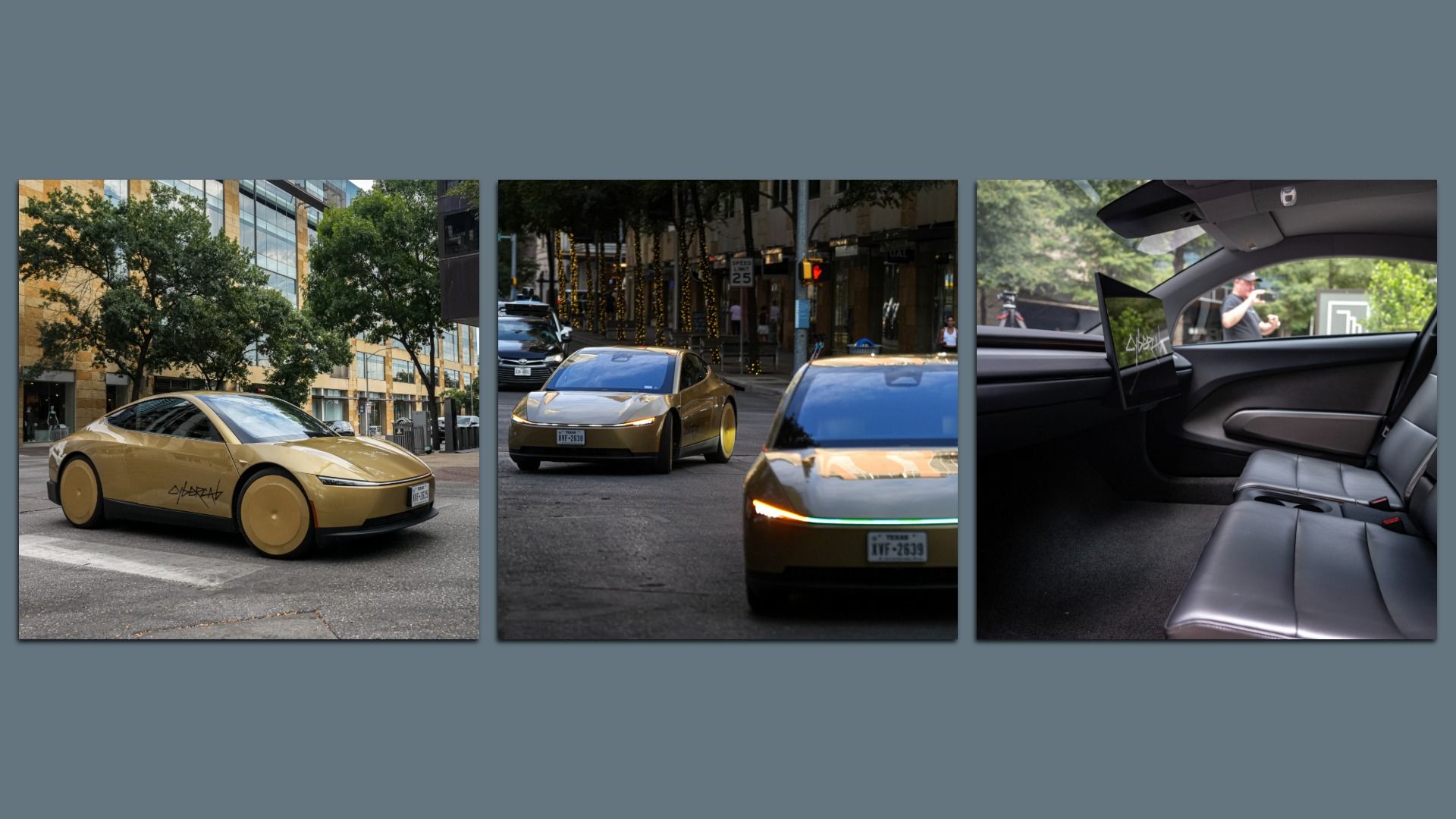
| Tesla Cybercabs in downtown Austin, Texas, last week. Photos: (Left and middle) Aaron E. Martinez/The Austin American-Statesman via Getty Images; (Right) Ronaldo Schemidt/AFP via Getty Images |
| |
Tesla customers in Austin, Texas, can now book rides in a driverless Cybercab that has no steering wheel or pedals. The big picture: While the initial fleet size is limited, the Cybercab's official commercial launch in Austin on Sept. 4 marked the beginning of CEO Elon Musk's vision for an autonomous future. |
| |
| |
| |
| 3. Robotaxis need a place to sleep |
| |
 |
|
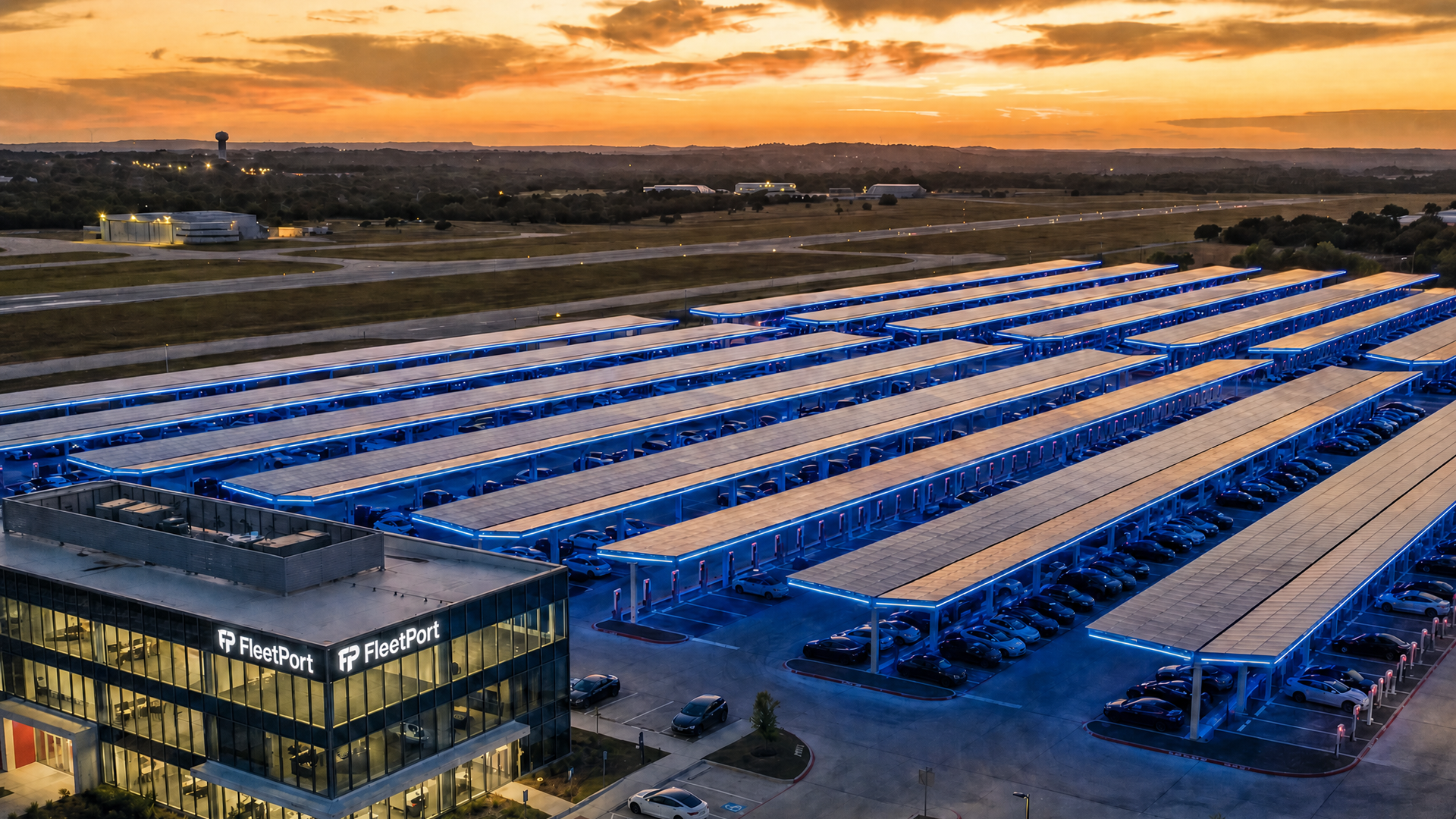
| A computer rendering of what a Fleetport hub for robotaxis might look like. Image: Courtesy of Fleetport |
| |
A veteran real estate executive is trying to launch a network of what he calls the modern-day robotaxi equivalent of full-service gas stations. Why it matters: Tesla's call for entrepreneurs is already inspiring another potential business opportunity: building the places for fleet owners to park and service their Cybercabs. Between the lines: "There's a lot of very successful entrepreneurs. They live in suburbia. They don't want eight robotaxis sitting ... on their street," Jason Maxwell tells Axios.
- Maxwell is trying to launch Fleetport, what he envisions as a network of hubs offering overnight storage of 100 to 250 robotaxis, along with fast charging, cleaning and basic maintenance.
- His target customer: the aspiring entrepreneur who buys seven, 10 or 20 Cybercabs but doesn't have anywhere to put them.
Reality check: Fleetport is itself a bet on a future that hasn't arrived yet.
- Maxwell has no partnership with Tesla, hasn't raised institutional capital and hasn't begun construction — but he says he and a partner have identified potential sites, beginning with Texas.
- Fleetport's website says it plans six hubs near major airports — in Austin, Oakland, San Francisco, Los Angeles, Phoenix and Miami — opening in 2027.
What we're watching: Finding suitable real estate in any densely populated city is difficult, but robotaxi depots need to be carefully located to maximize efficiency and avoid empty trips.
- The challenge is compounded by zoning and permitting delays, not to mention power requirements.
- It can take years to build the necessary infrastructure, and it requires plenty of capital.
- And consumer demand for robotaxis is still uncertain.
What they're saying: Maxwell acknowledges the risk.
- "Maybe it's not as quick as I want. Maybe it's five years or longer," he says of a national Cybercab rollout.
- His bet is that robotaxi depots will eventually become their own real estate asset class — and that getting control of the right properties before the boom could be lucrative.
The bottom line: If Tesla really does unleash thousands of independently owned Cybercabs, some of the best business opportunities could turn out to be decidedly old-school: parking spaces, electricity and car washes. |
| |
| |
| |
A MESSAGE FROM AXIOS |
| The media intelligence 2026 demands |
| |
 |
| |
The media industry isn't just changing — it's repricing, realigning, and restructuring in real time. Media Trends Executive cuts through the noise with the insights decision-makers need to move first, not react later. Become a Media Trends Executive member to stop playing catch-up. |
| |
| |
| 4. Why Lyft could be Waymo's ideal partner |
| |
 |
|
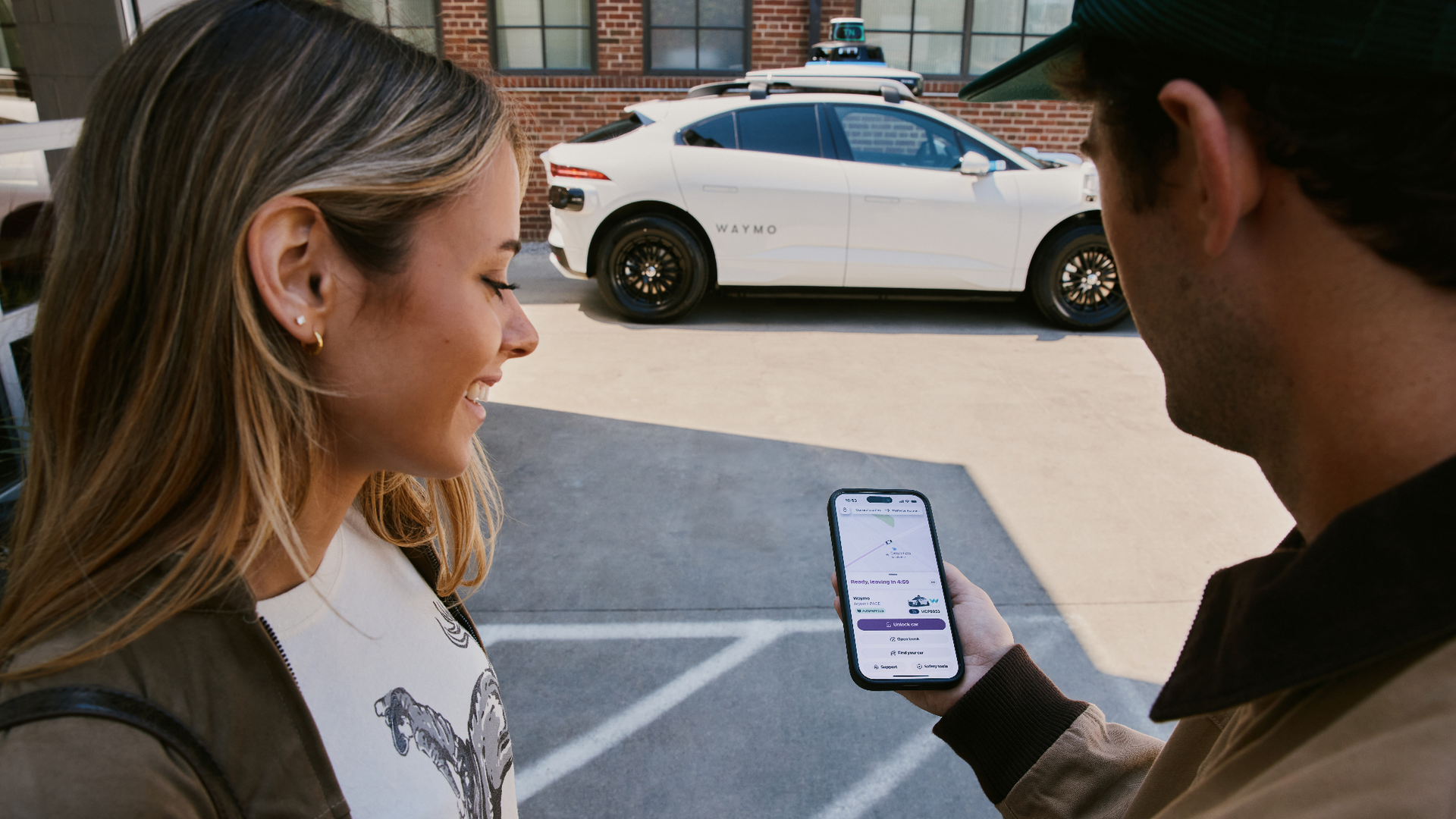
| Waymo robotaxis are now available on Lyft in Nashville. Image: Courtesy of Lyft |
| |
Lyft is emerging as an ideal partner for Waymo, bringing riders and the infrastructure to keep its robotaxis running — without getting in the way of Waymo's push to build its own ride-hailing business. Why it matters: As Waymo's relationship with rival Uber frays under the weight of competing ambitions, Lyft sees an opportunity: making itself indispensable to Waymo behind the scenes. Driving the news: Starting today, Lyft riders can be matched with a Waymo robotaxi in Nashville.
- It's the first market where Waymo vehicles are available across both the Waymo and Lyft apps.
- The vehicle fleet is managed by Lyft's Flexdrive unit, whether they're dispatched through Waymo's own app or Lyft's.
- Flexdrive will handle charging, cleaning and maintenance of hundreds of Waymo vehicles at a new 80,000-square-foot depot set to open this fall.
Zoom out: The arrangement stands in contrast to Waymo's increasingly strained partnership with Uber in Austin and Atlanta, where Waymo rides are available exclusively through Uber's app.
- As Waymo expands its own consumer-facing service into more cities, its interests increasingly overlap with Uber's.
- Earlier this year, Waymo ended a three-year pilot with Uber in Phoenix, and it's talking about doing the same in Austin and Atlanta, per the Financial Times.
The big picture: Lyft is making a different play. It's less of a competitive threat to Waymo and is offering two things Waymo really needs: riders and the infrastructure needed to service its fleet.
- "We want to prove this model in Nashville and then take it to scale," Jeremy Bird, Lyft's executive vice president of global growth, tells Axios.
The key is Flexdrive, Lyft's often-overlooked fleet management subsidiary acquired in 2020 to help supply rental cars to Lyft drivers.
- In Nashville, Lyft and Waymo have aligned their incentives around a crucial metric: keeping Waymo's expensive high-tech vehicles busy.
Between the lines: That means Lyft can benefit from Waymo's growth without requiring Waymo to surrender its brand or direct relationship with customers.
- Waymo gets incremental demand from Lyft when it needs it, plus a partner to handle the decidedly unglamorous work of keeping its vehicles on the road.
- Lyft, meanwhile, gets a role in the robotaxi economy even when a passenger never opens its app.
The bottom line: Lyft may never match Uber's scale. But in the emerging robotaxi business, being smaller — and more willing to operate behind the scenes — could make Lyft exactly the kind of partner Waymo wants. Go deeper. |
| |
| |
| |
| 5. Drive-thru |
| |
 |
|
| Illustration: Brendan Lynch/Axios |
| |
🇨🇳 U.S. Transportation Secretary Sean Duffy blasted Ford's business partnerships with Chinese companies, saying they pose national security concerns. Ford responded that Duffy's "letter is a wrongheaded attempt to capture headlines." (Reuters) 💸 PlusAI announced its third attempt to go public in a SPAC deal that values the self-driving truck software developer at $800 million. (Transport Topics) 🍿 A four-hour Elon Musk documentary premiered this week in Venice. The Associated Press interviewed filmmaker Alex Gibney about what Musk has called "a hit piece." (AP) |
| |
| |
| |
| 6. 🚘 What I'm driving |
| |
 |
|
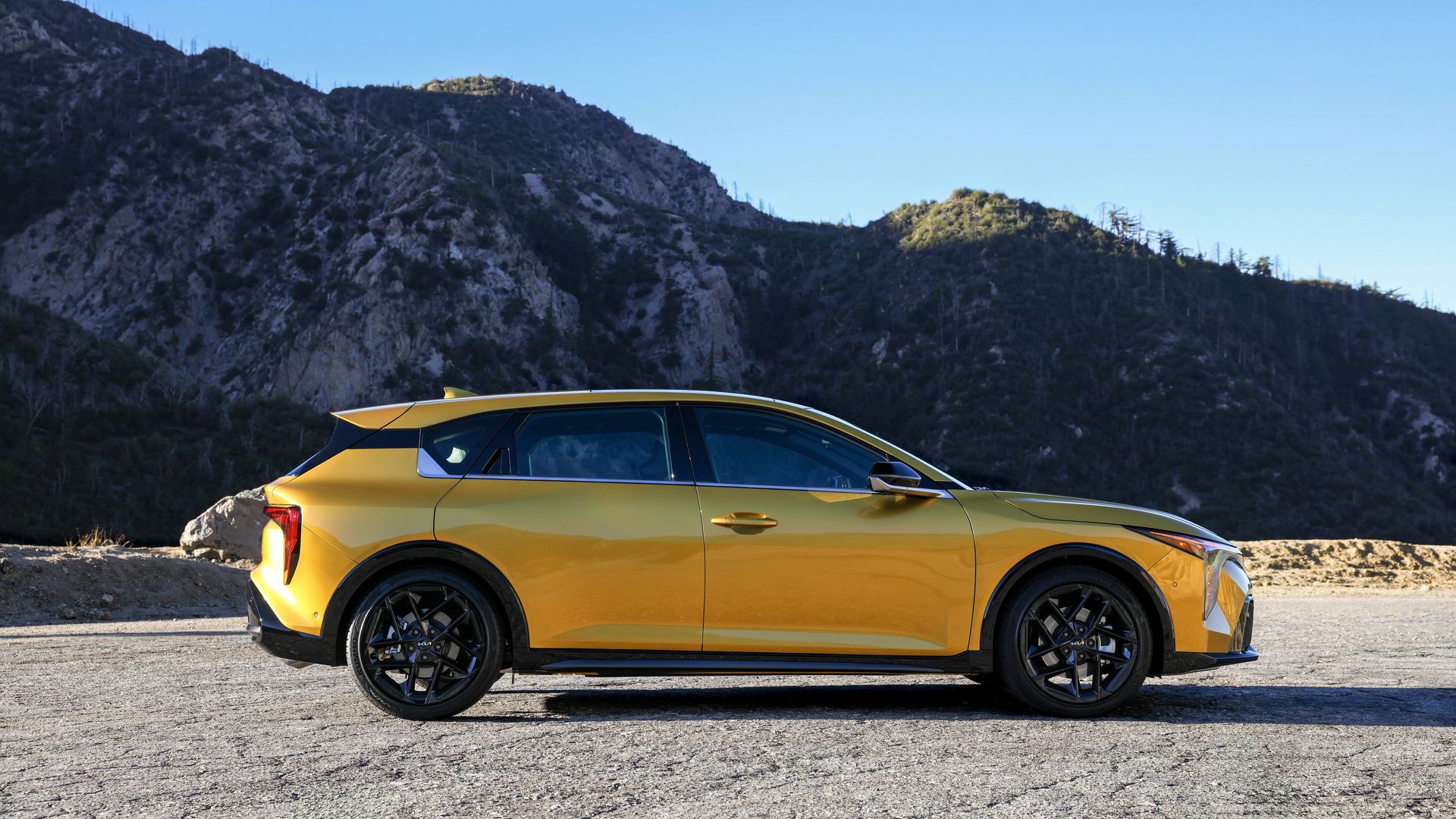
| Kia K4 hatchback. Image: Courtesy of Kia |
| |
Kia K4 hatchback GT-Line Turbo
- MSRP: Starting price: $24,890 (plus $1,195 delivery); As tested: $32,870 for GT-Line Turbo with optional tech package.
- Under the hood: Base 2.0-liter engine with CVT (147 hp/30 mpg) or upgraded 1.6-liter turbocharged engine with 8-speed transmission (190 hp/28 mpg).
- Manufacturing site: Mexico.
What's new: The hatchback is a sportier sibling to the entry-level K4 sedan, offering extra headroom for rear-seat passengers and more cargo space.
What I loved: A seamless multiscreen digital display stretches nearly 30 inches across the driver cockpit. Very modern and intuitive.
- The standard suite of driver-assistance features now includes blind-spot and rear cross-traffic collision avoidance systems.
- But for $2,300 extra, you can add a basket of high-tech goodies to the GT-Turbo, including highway driving assist, surround-view cameras and other premium features.
- And you can't beat the value.
What I didn't love: It's just a quibble, but the climate display is partially obscured by the steering wheel. The bottom line: Great styling and technology at a great price. I test-drive vehicles in my role as a juror for the North American Car and Truck of the Year awards. Opinions are my own. |
| |
| |
| |
A MESSAGE FROM AXIOS |
| Media is shifting fast. Our reporters see it first. |
| |
 |
| |
Sara Fischer and Kerry Flynn go deeper than the headlines — tracking the deals, disruptions, and strategic shifts that define where the media industry is heading. Media Trends Executive is their members-only briefing, written for leaders who can't afford to be caught off guard. 🔒 Become a member today to read what the industry's best reporters see coming. |
| |
Thanks to editors Pete Gannon and Bill Kole. If you're a fan of this newsletter, please ask your friends to sign up, too. |
 |
It's called Smart Brevity®. Bring it to your org — via hands-on training or internal comms software — to harness its power and impact.
|
|
|
|


 SUV

 Posts






0 Comments