

The Market’s Blind Spot in Plain Sight
If you want to explore the Breguet Classique lineup further, let me know:Are you looking at modern models or neo-vintage/vintage references?What is your target budget range?Do you prefer time-only/date complications or grand complications (like moonphases or tourbillons)?

RELATED POSTS
The Underlooked Asset: Breguet Classique
The Market’s Blind Spot in Plain Sight
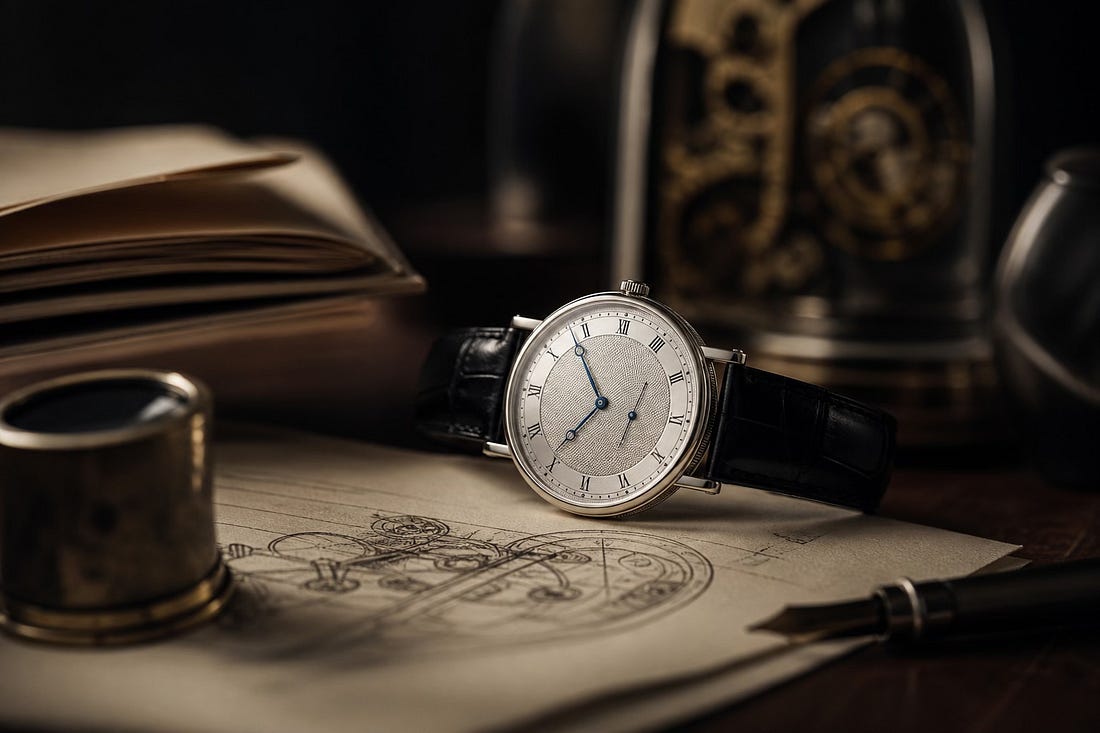
There are watches that the market chases, and then there are watches that the market quietly forgets. The interesting part is that those two categories rarely align with actual importance. The Breguet Classique sits firmly in the second group. The WatchThe Breguet Classique line is, in many ways, the purest expression of what traditional watchmaking is supposed to be. Slim cases. Engine-turned dials. Blued hands. Roman numerals. No excess. No noise. References vary, but whether you’re looking at a simple time-only piece like the 5140 or something slightly more involved like the 7147, the formula is consistent: restraint paired with execution. This is not a watch trying to impress you. It assumes you already understand it. 
Some modern iterations of the Classique Line
Why It’s OverlookedThe modern market doesn’t reward subtlety. It rewards steel sports watches, integrated bracelets, and anything that signals status from across the room. The Breguet Classique does none of that. In fact, it actively resists it. There’s also a perception issue. Breguet, despite being one of the most historically significant names in watchmaking, doesn’t carry the same contemporary weight as the usual suspects. It’s respected, but not chased. And in today’s environment, if something isn’t being chased, it’s often ignored. That’s where the opportunity begins. Why It’s Investment-GradeStart with the obvious: Abraham-Louis Breguet is one of the most important figures in the history of horology. That’s not marketing language—that’s fact. The tourbillon, Breguet hands, guilloché dials—these are foundational elements of the entire industry. And yet, you can buy into that lineage today at prices that feel disconnected from that reality. The Classique line represents:
In a different brand context, this level of watchmaking would command significantly more attention—and significantly higher prices. But because it doesn’t fit the current trend cycle, it trades at a discount to its own importance. That’s what makes it interesting. 
The TradeMost modern Breguet Classique references in precious metal sit in a range that feels, frankly, too reasonable given what they are. You’re typically looking at:
This is not a momentum trade. This is a positioning trade. You’re buying something that:
The ideal buyer here is not someone looking to flip in 30 days. It’s someone who understands that markets eventually correct misalignments—especially when those misalignments are rooted in perception, not substance. Breguet remains one of the more misunderstood brands in the market, despite its historical weight. It’s also a brand that rewards careful buying. There’s a wide range in how these pieces trade, and knowing where—and how—to step in matters more here than it does with more liquid names. This is not a market you approach blindly. The RiskThere are two, and they’re real. First is liquidity. Breguet does not move like Rolex, Patek, or even some of the more in-demand independents. You need the right buyer, not just any buyer. Second is perception lag. The market can stay indifferent longer than you expect. There’s no guarantee this re-rates on your timeline. If you need immediate validation from the market, this is not the watch for you. 
Final TakeThe Breguet Classique is what happens when true watchmaking exists outside of the spotlight. It doesn’t announce itself. It doesn’t compete for attention. And because of that, it’s priced in a way that doesn’t fully reflect what it represents. That’s not a flaw. That’s the opportunity. This is not the loudest trade in the room. But it might be one of the more honest ones. Hudson Index explores the market, culture, and notable timepieces shaping the world of collectible watches. Written by Danny Vassallo, CEO of Hudson Watch Exchange, former commodity options and futures trader, and author of The Watch Dealer’s Playbook. If you appreciate thoughtful insights into the watch market, consider subscribing. And if you’re looking for guidance, sourcing, or just want to browse, you can explore more at Hudson Watch Exchange. Disclaimer: The views expressed here are for informational and educational purposes only and reflect personal experience within the watch market. This is not financial advice, investment advice, or an offer to manage capital. The buying and selling of watches involves risk, including illiquidity, market fluctuations, and transaction costs. Past performance—whether in watches or traditional markets—is not indicative of future results. Readers should conduct their own due diligence and consult appropriate advisors before making any financial decisions.
|


 Posts
Posts


0 Comments