

Sartorial evolution
If you want to focus on a specific period, let me know: Are you interested in 19th-century dandyism? Mid-century Italian tailoring? Or contemporary trends?

Thanks for your interest in Swimpruf. I realize that a paid subscription is a lot to ask these days, so I fully understand your desire to kick the tires a bit, and check out what this is all about. But if and when you decide you want to get the full Swimpruf experience, simply visit my page and click the Subscribe button for your options. Thank you. — Jason
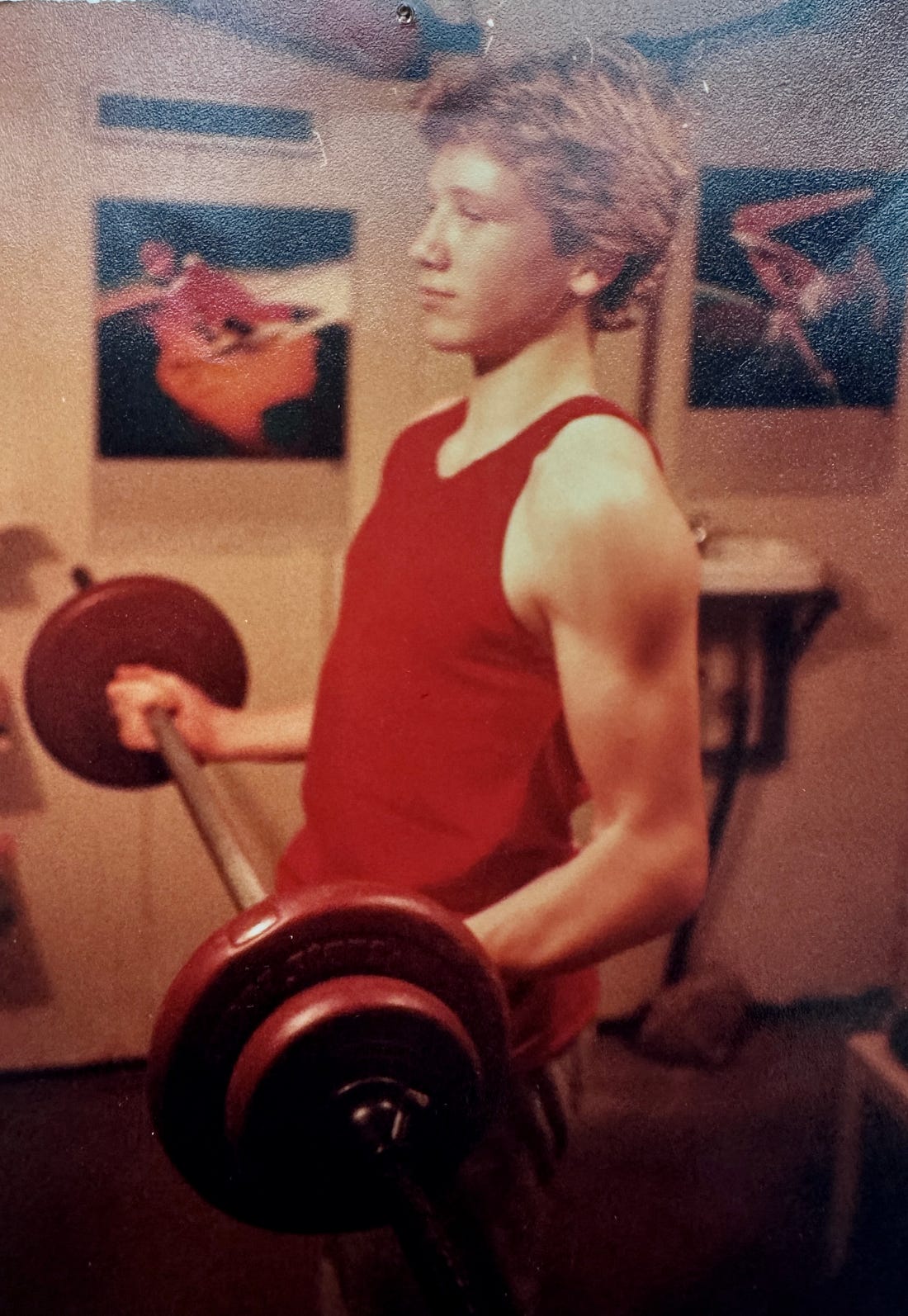
My years in high school fell into two distinct eras, largely reflected by the way I dressed. When I entered as a freshman, I was a jock, through and through. I was a big, strong kid, six feet tall, with size 13 shoes, and pretty good at football and basketball. Most of what I cared about involved throwing, catching, or carrying a ball of some sort. I had visions of playing varsity football and basketball, maybe even making sports a career, a dream shared by probably half the male population of America. I watched sports on TV several days a week, during all the different seasons. Summers were spent training for the next season, running around a track, lifting weights in the basement. Predictably, I dressed the part. Sweatpants and shoe brand t-shirts, sneakers, maybe a hoodie. That all changed—sartorially—for the better, thanks to a knee injury at the start of my sophomore year.
It was the second practice of the second day of the new football season. We were doing two-a-days then, one session in the morning, then break for lunch, and back to it again in the afternoon. I was trying out for the varsity squad, as a tight end and defensive end. Running a pass pattern, I turned to make the catch, jumped for the spiraling ball, and when I landed, my left knee bent backwards instead of forwards, tearing my anterior cruciate ligament and part of my medial meniscus cartilage. It was, in a moment, the end of my football career (I broke my hand in the first game as a freshman; I should have quit then). It also prompted a profound shift in my life ambitions and self image. Not being a star athlete forced me to re-evaluate myself. As I underwent surgery, and then physical therapy to rehab my knee and atrophied leg, I became exposed to a new world, sports medicine. I decided that’s what I wanted to pursue. It would keep me close to sports, but in a different way. Never mind that I possessed no aptitude or interest for science or math, both of which figured centrally into the long educational journey that would await such a career choice. I discovered that later, but I digress. Along with this shift in ambitions came new exposure to words, art, and culture. The high-brow lyrics of the musicians I was listening to—Sting, U2, Peter Gabriel—piqued my curiosity about Shakespeare, Jung, and Prokofiev, as well as musical influences and cultures beyond my own. I was moving further into my own head, writing poetry, reading a lot more, and also dressing differently.
I’ve never wanted to be a “poser” and that goes back to those teenaged years. My sports career had been stunted (OK, I still played varsity basketball, but not well), and I was feeling intellectually stimulated. My world became more cerebral and less physical. Slouching to school in sweatpants and sneakers didn’t fit who I was becoming. It was around that time that I also discovered the J. Peterman catalog, with its romanticized take on clothes, most of which I couldn’t afford. But I emulated this sartorial take on the world, and began to wear wide-wale corduroys, a Breton striped boatneck shirt, sometimes a black turtleneck, a tweed waistcoat, and cordovan penny loafers to school. When I saved up enough money to buy a watch, it was that big Seiko dive watch I’ve recounted so many times, and my whole ensemble made me feel more adult, more sophisticated, even if I suspect I looked slightly ridiculous walking the halls of high school.
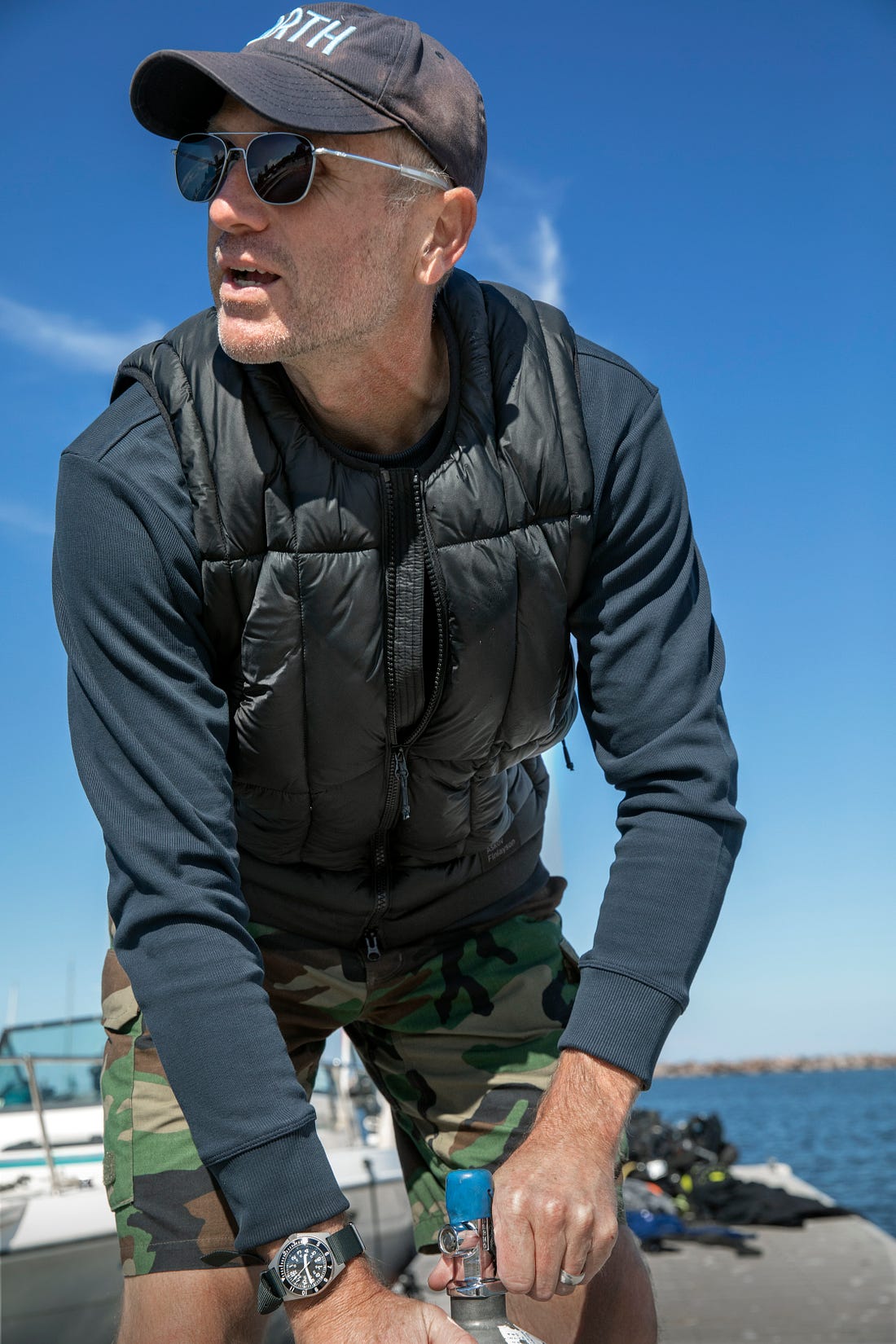
Once I got to college, those med school ambitions fell away just as quickly as my chemistry class grades, and I found my calling in English Literature. I was a Liberal Arts student, and dressed the part, continuing what I started in high school, but more at home in an Art History classroom and walking a leafy campus. As I got older, and moved to Minneapolis, something else gradually awakened in me: an interest in adventure and the outdoors. It felt as if my interests, aptitude, and aesthetics were beginning to merge. I could be athletic without the forced, extroverted tropes of team sports. I could do difficult physical things while appreciating the cerebral aspects of the outdoors, reading poetry of Gary Snyder and Mary Oliver, and the canon of adventure writing from Shackleton, to Matthiessen, to Junger and Krakauer. Again, this life shift was reflected in how I was dressing. I went all in on technical clothes. I was making decent money and could afford The North Face and Patagonia fleece, hiking pants from Mountain Hardwear, and old school leather mountaineering boots. I prized my yellow-cased Suunto Vector watch. I climbed a few fourteeners in Colorado, bagged Rainier, and took up scuba diving.
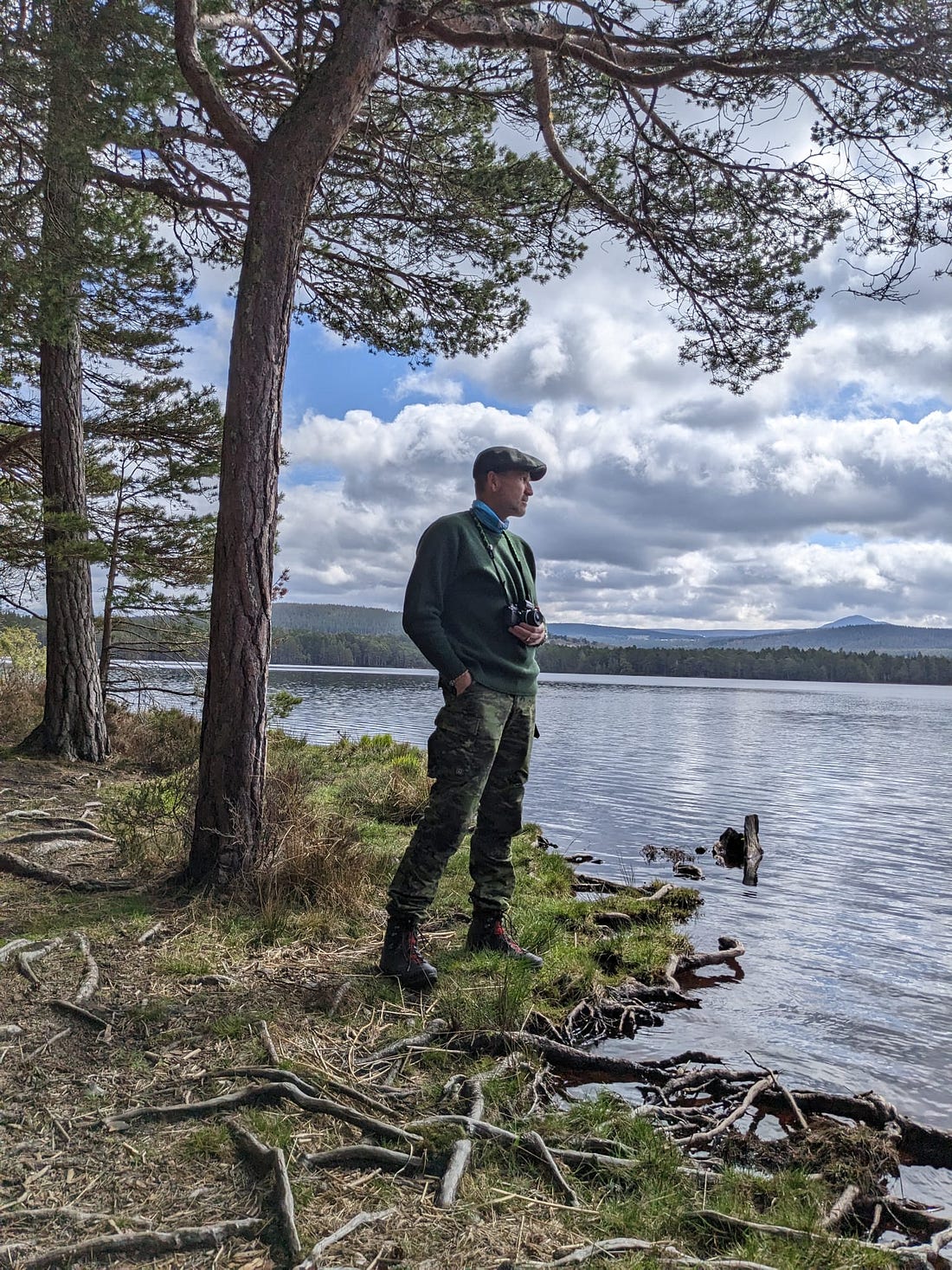
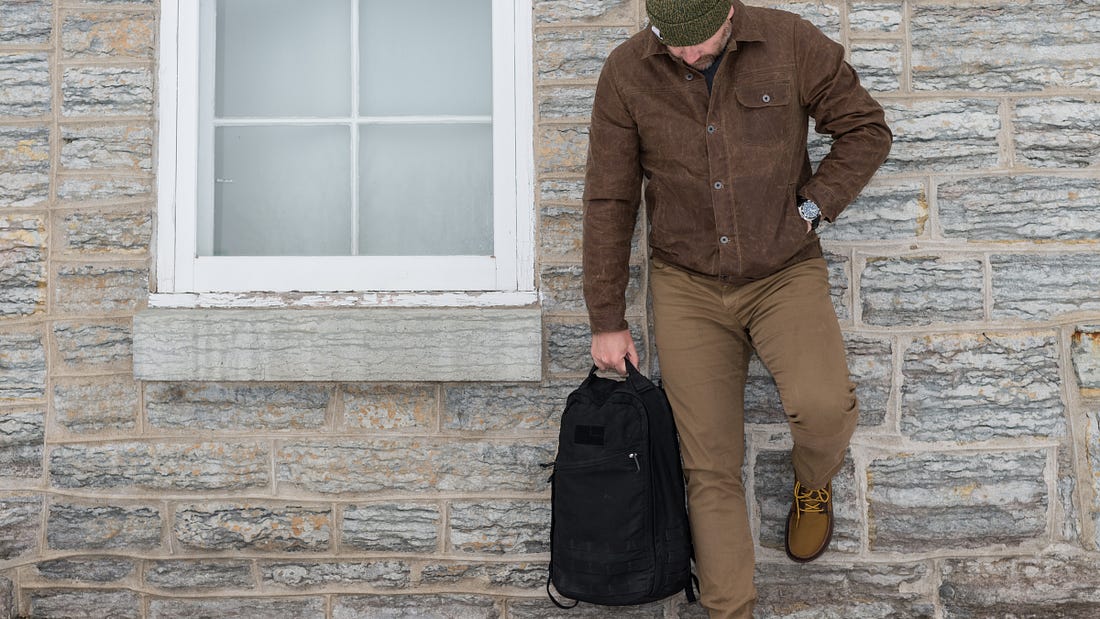
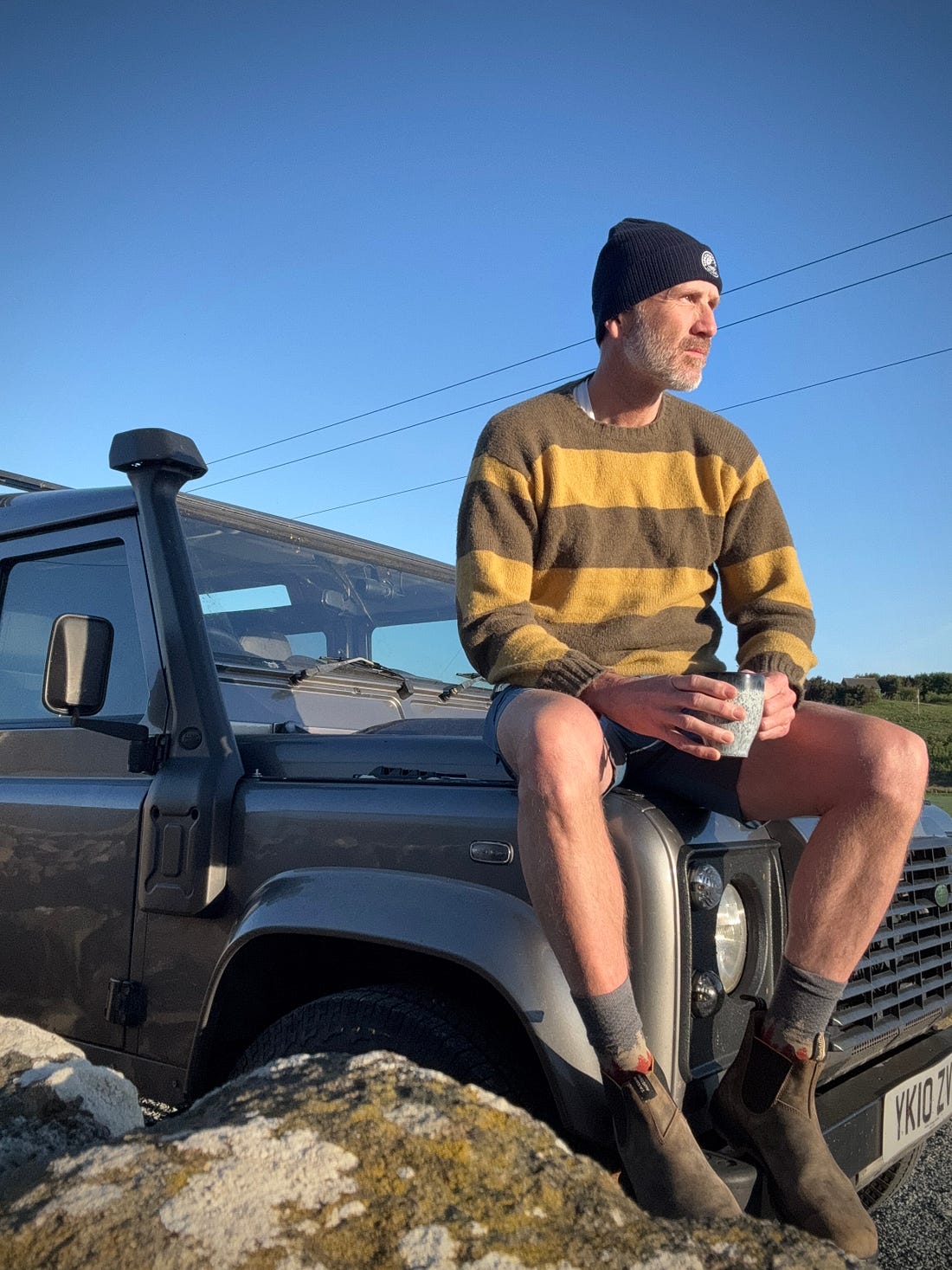
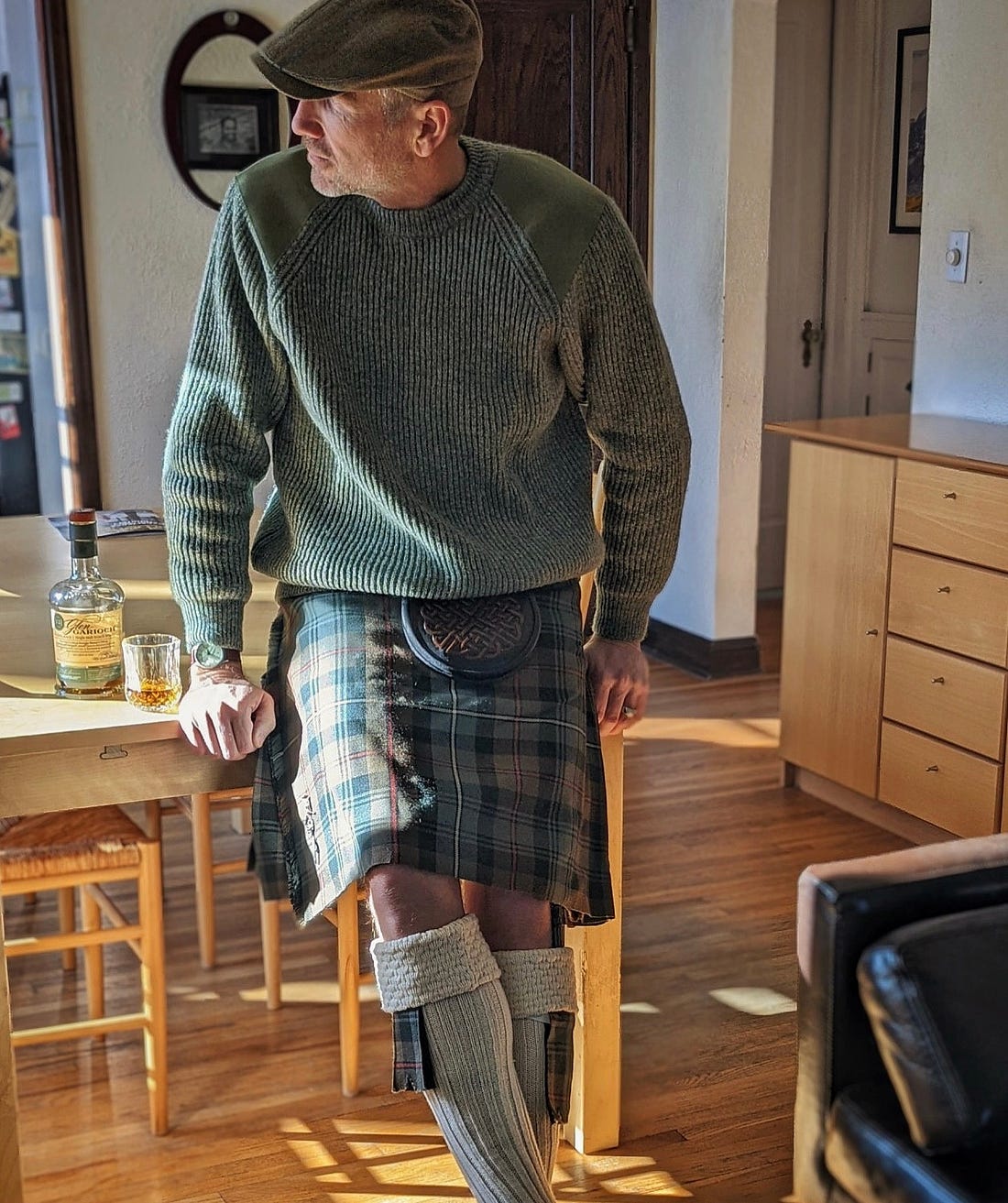
I’ve never really considered myself a clothes horse, or someone who cares much about fashion, and yet when I look back, I see a through-line in my style, one that has matured and settled, even as I myself have. The 15-year old me would recognize the 56-year old me. My wardrobe is now an amalgam of everything I’ve worn since those formative years. I favor hiking pants from Fjallraven over jeans or khakis, but go for wool commando sweaters now instead of polarfleece. As a bit of a throwback, I own a few pairs of retro Adidas sneakers, but most of the time I’m in Blundstone or Red Wing boots. No penny loafers any more. I’ve got a pair of corduroy knickerbockers from a Scandinavian company called Amundsen, that is as close to old Peterman as I can find, and I often wear a tweed flat cap from Campbell’s of Beauly in Scotland. High school Jason would approve. My clothes feel like a natural extension, and expression, of my personality and interests. I don’t think too hard about the clothes I buy or own. I don’t feel self conscious wearing anything, because it all suits my lifestyle and activities. It’s good to feel comfortable in one’s own skin, and that goes for one’s second skin as well—the clothes. I feel the same about my watches. My Navitimer on a leather Bund strap just looks right poking out of a woolen sleeve. My Tudor dive watch on a NATO strap matches a polo and tanned arm in summer. It all adds up to an honest, confident reflection of the person inside—nothing performative or forced. The way we dress can be many things, from armor to a uniform, to impress a date, a potential employer, or simply to boost our own confidence. But it’s a mistake to think that it’s the clothing that makes us who we are. I’ve learned it’s the other way around.
You're currently a free subscriber to SWIMPRUF. For the full experience, upgrade your subscription.
|


 Posts
Posts








0 Comments